
The Silly-con Valley Documentaries List is a collection of films that make the invisible machinery of tech culture easier to see. These documentaries examine the people, companies, incentives, scandals, promises, and consequences behind the platforms and products shaping modern life. They are not anti-technology; they are anti-amnesia — a reminder that every “revolutionary” idea comes with a business model, a power structure, and a bill someone eventually has to pay.
Documentaries
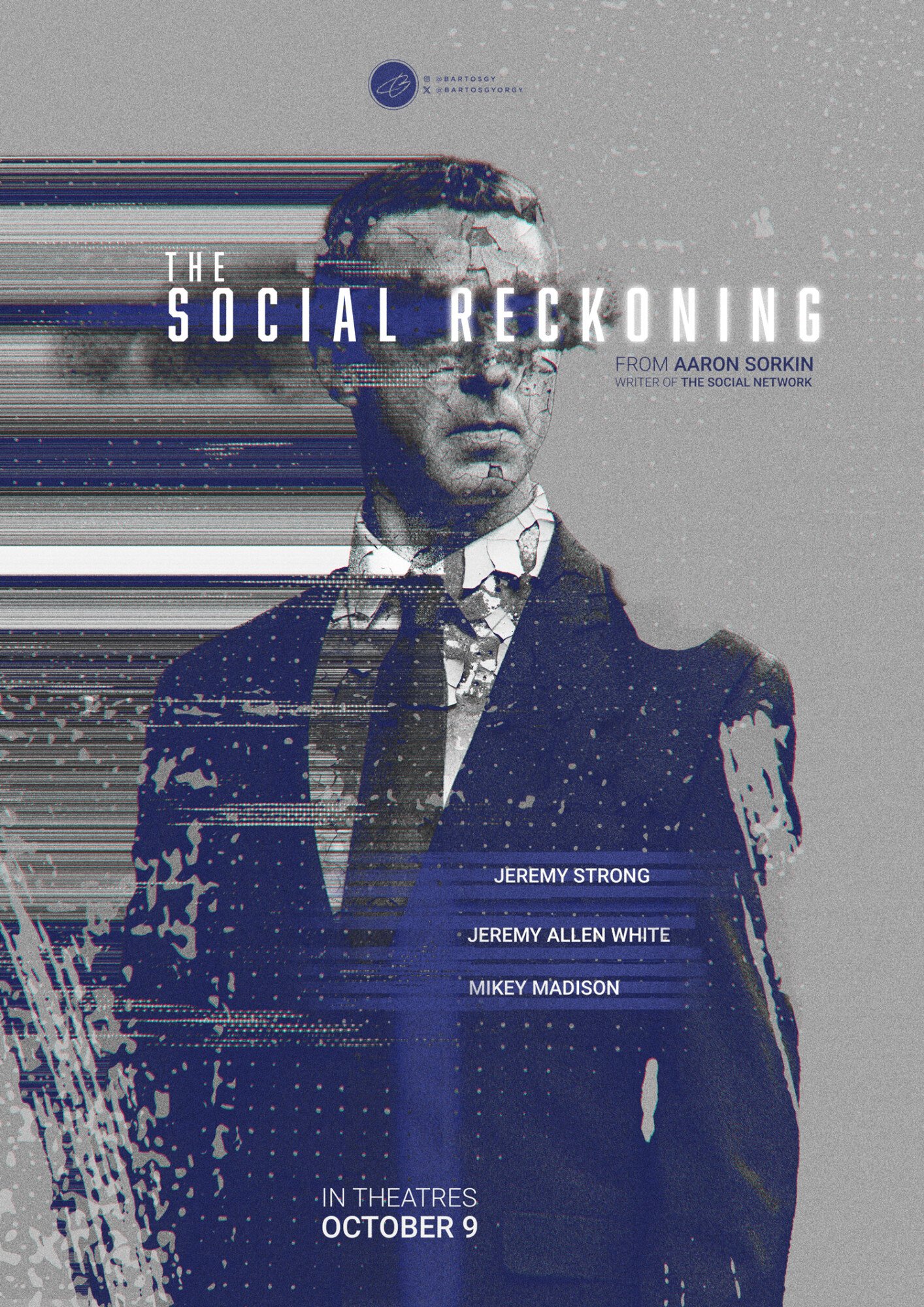
The Social Reckoning(coming October 9, 2026)
The Social Reckoning focused on Facebook’s scandals, whistleblower Frances Haugen, and the internal documents that exposed the platform’s effects on misinformation, youth mental health, and civic life. The film appears to shift the story from startup origin myth to platform accountability: what happens after the dorm-room genius narrative becomes a global system of power.
For Silly-con Valley readers, it belongs here because it traces the arc from “move fast and break things” to “things are broken, and the quarterly report is still due.”
The Social Dilemma examines how social media platforms are engineered to capture attention, shape behavior, and turn human psychology into a business model. Through interviews with former tech insiders and dramatized examples, the film explores addictive design, algorithmic feeds, polarization, misinformation, and the quiet trade-off behind “free” platforms.
For Silly-con Valley readers, it is a useful primer on the attention economy: the app says it is connecting people, but the business is really selling predictions about what will keep them scrolling.
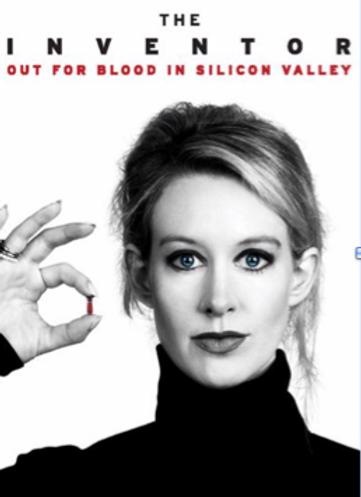
The Inventor: Out for Blood in Silicon Valley
The Inventor: Out for Blood in Silicon Valley tells the story of Theranos, Elizabeth Holmes, and the blood-testing startup that sold Silicon Valley a medical revolution it could not actually deliver. The documentary shows how charisma, secrecy, powerful backers, media hype, and the mythology of the visionary founder helped turn an unproven technology into a multibillion-dollar company.
For Silly-con Valley readers, it is a cautionary tale about what happens when “changing the world” becomes a brand strategy, skepticism is treated as negativity, and the pitch deck outruns the product.
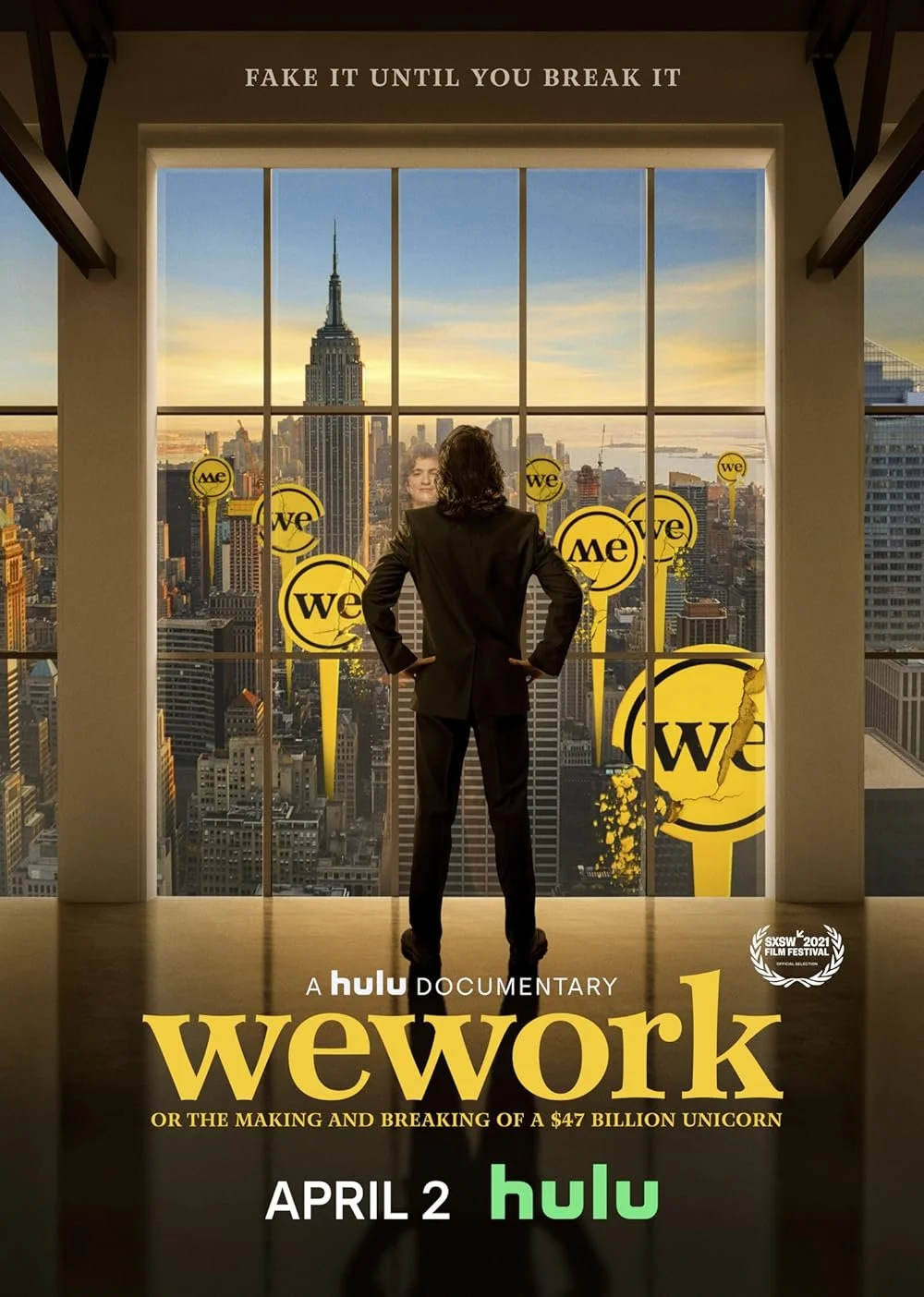
WeWork: Or the Making and Breaking of a $47 Billion Unicorn
WeWork: Or the Making and Breaking of a $47 Billion Unicorn traces the rise and collapse of WeWork, a coworking company that wrapped real estate in startup mythology, spiritual branding, and billion-dollar ambition. The documentary shows how charisma, venture capital, community language, and growth-at-all-costs logic helped turn office leases into a supposedly world-changing movement.
For Silly-con Valley readers, it is a near-perfect case study in valuation theater: the company said it was elevating consciousness, but the business model was mostly desks, debt, vibes, and a founder who believed the pitch too much.
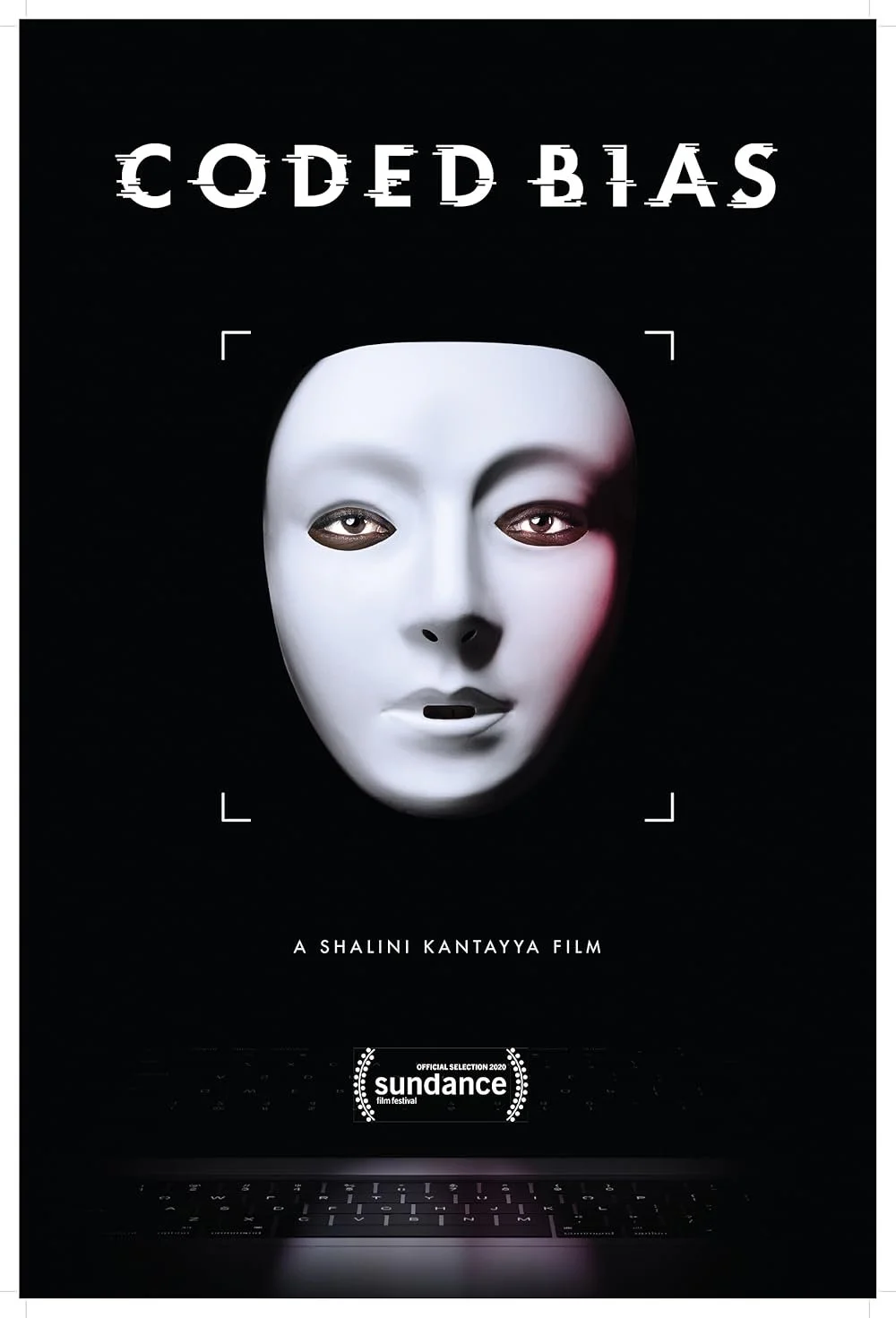
Coded Bias investigates how algorithmic systems, especially facial recognition technologies, can reproduce and amplify racial, gender, and social bias while being marketed as objective or neutral. Centered on researcher Joy Buolamwini’s work exposing failures in facial analysis tools, the documentary connects AI hype to real-world consequences in policing, hiring, surveillance, housing, and civil rights.
For Silly-con Valley readers, it is a crucial reminder that “the algorithm decided” is not an explanation — it is often a way of hiding human choices, flawed data, and power behind a machine-shaped curtain.
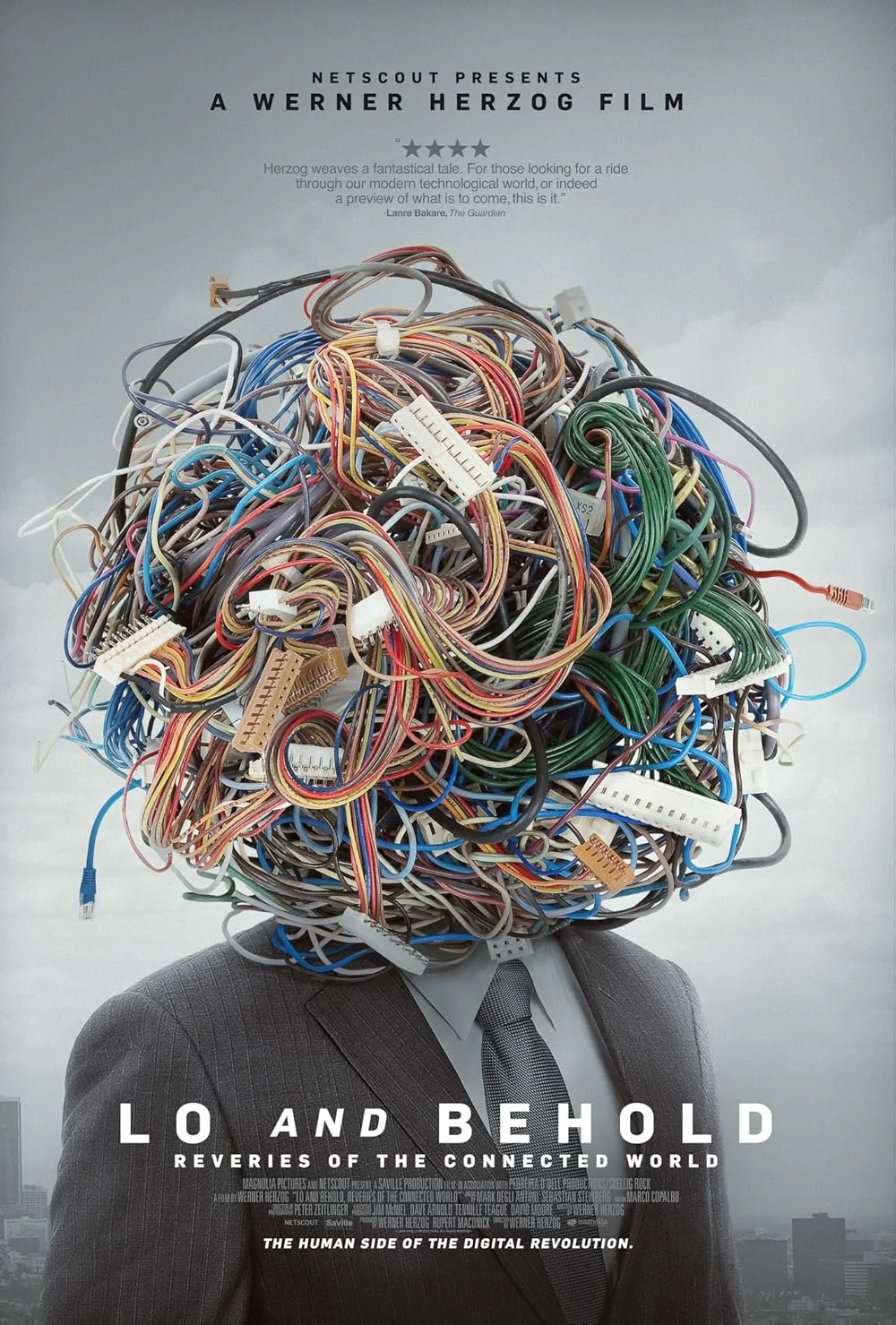
Lo and Behold: Reveries of the Connected World
Lo and Behold: Reveries of the Connected World is Werner Herzog’s strange, curious, and deeply human exploration of the internet’s origins, promises, accidents, and consequences. The documentary moves from early network pioneers to hackers, robotics, artificial intelligence, digital dependency, and the people harmed or transformed by life online.
For Silly-con Valley readers, it is a reminder that the internet is not just infrastructure or innovation mythology — it is a vast human experiment, equal parts miracle, machine, marketplace, and mess.
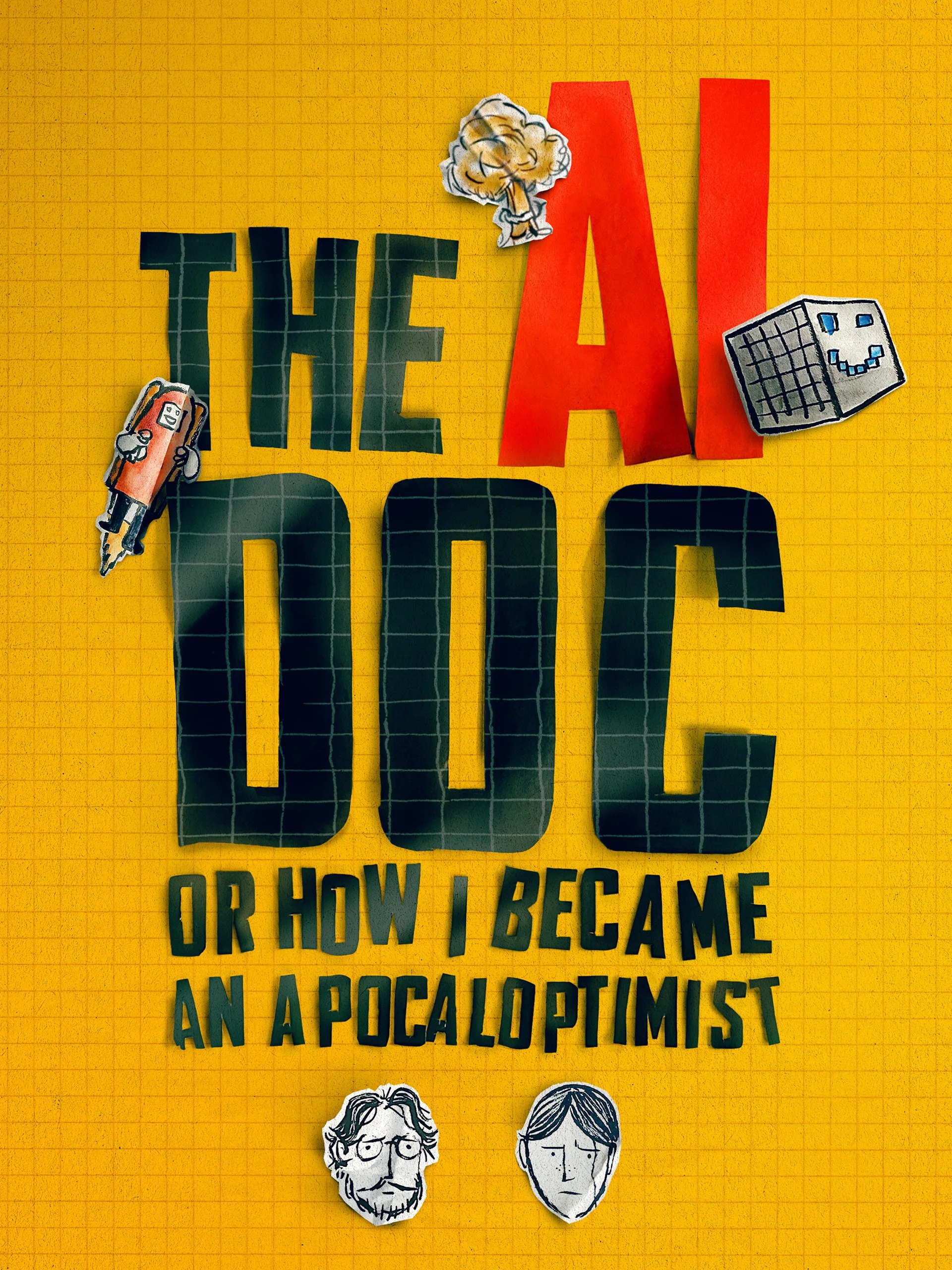
The AI Doc: Or How I Became an Apocaloptimist
The AI Doc: Or How I Became an Apocaloptimist is a hand-made, existentially funny, occasionally terrifying documentary about a father-to-be trying to understand artificial intelligence while the people building it explain that it might either cure disease, end scarcity, replace humanity, destroy democracy, or simply make everyone’s inbox worse — depending on which billionaire, researcher, ethicist, or doomsday prophet just got the microphone.
For Silly-con Valley readers, it is less a documentary about AI than a group therapy session for a civilization that handed the steering wheel to autocomplete and then noticed the car had no brakes. The AI Doc understands that the industry’s comedy comes from the gap between “we’re building tools to benefit humanity” and “we are in an unregulated nuclear-grade arms race funded by venture capital, cloud credits, and PowerPoint slides about alignment.”
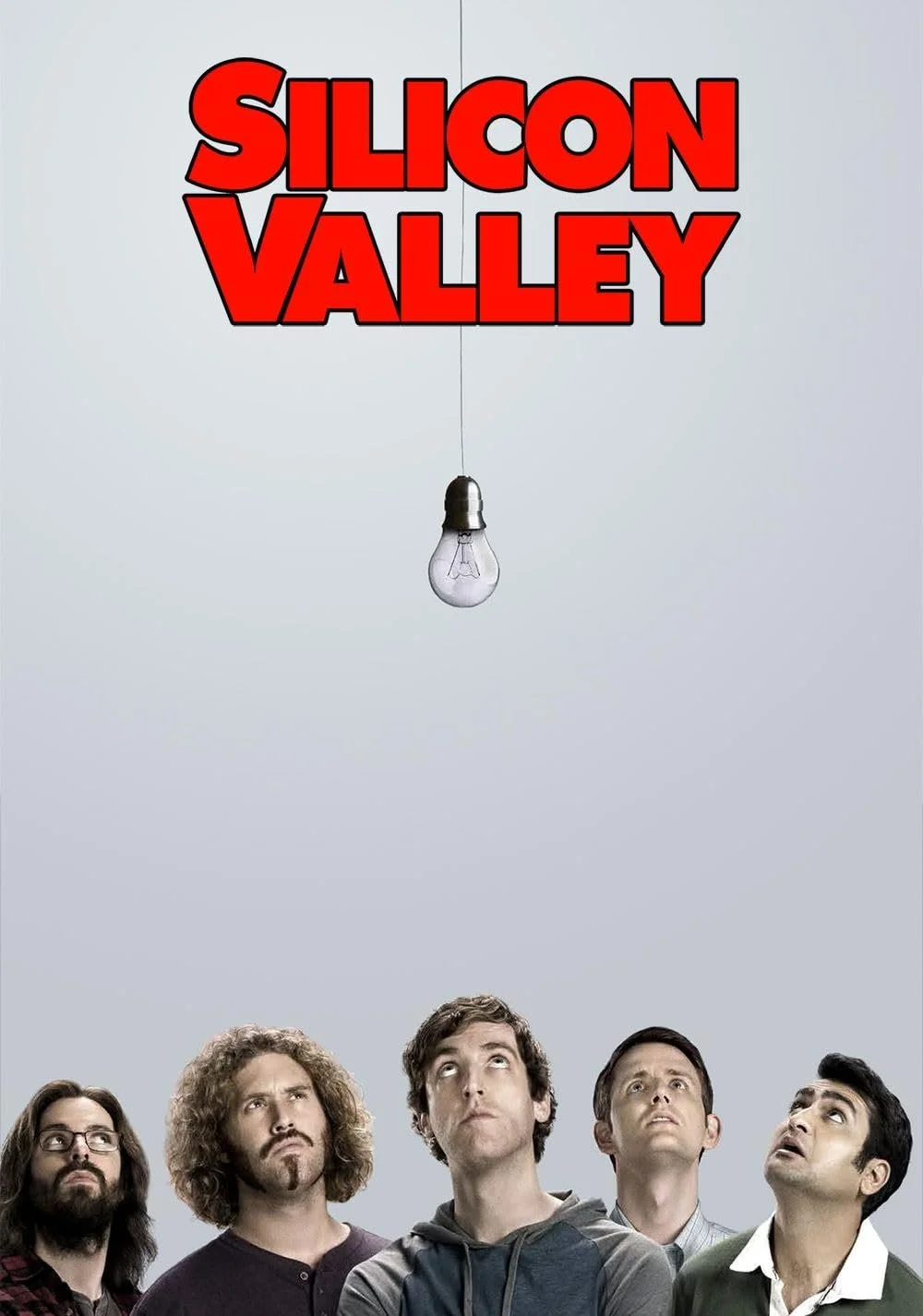
Silicon Valley painfully accurate, suspiciously documentary-like comedy about a group of engineers trying to build a compression startup while being slowly eaten alive by venture capital, founder ego, platform monopolies, bad management, worse branding, and the belief that one good algorithm can survive contact with the business model.
For Silly-con Valley readers, it is less a satire of startup culture than a warning label written in hoodies and term sheets. Silicon Valley understands that the industry’s comedy comes from the gap between “we’re changing the world” and “we accidentally built a decentralized surveillance machine while trying to optimize video files.”